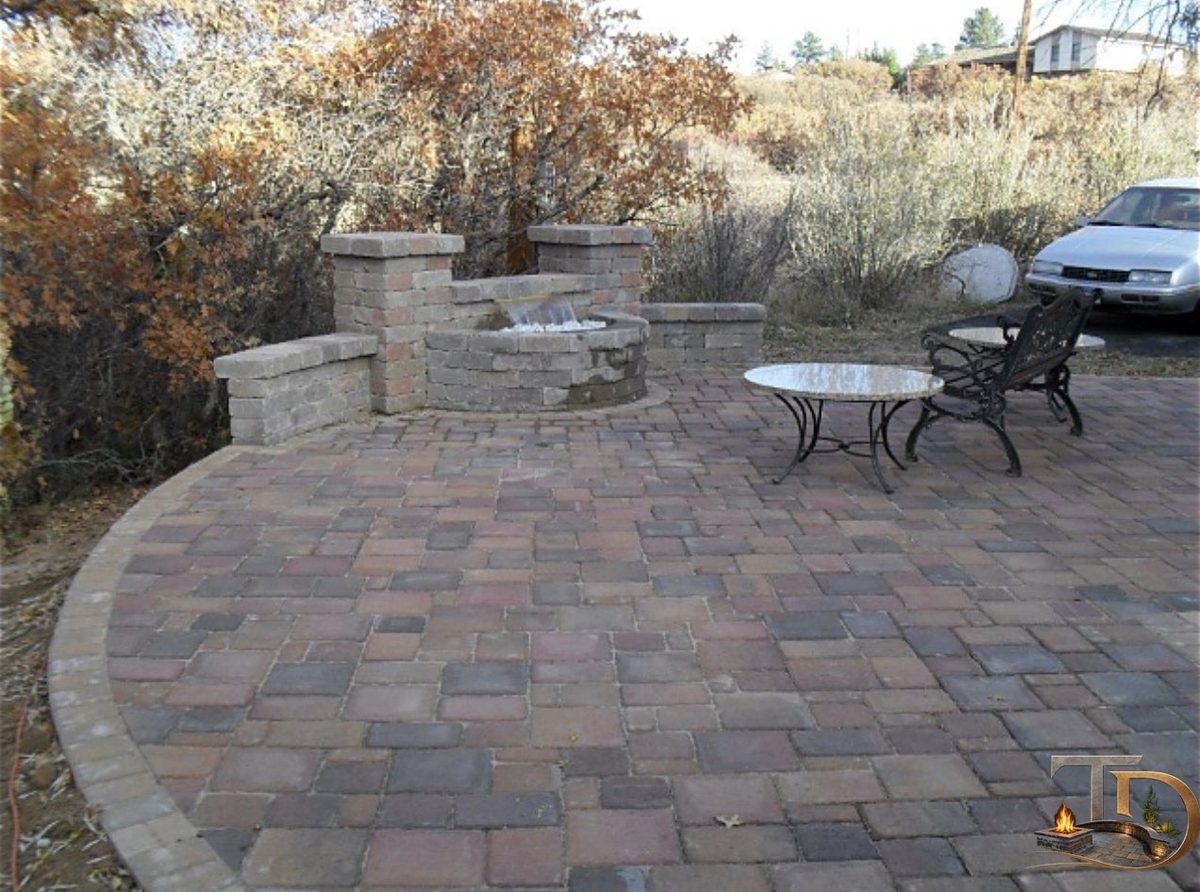
To Seal or Not to Seal
Sealer is optional but worth considering: it deepens color, resists stains, and makes cleanup easier. Wait at least 30 days after installation so efflorescence (white haze) can surface and be cleaned first. Always follow the sealer manufacturer's instructions.
Routine Care
Sweep regularly. Pull weeds the moment they appear in joints — don't let roots establish. Top off polymeric sand in joints every few years as needed. A pressure washer on a fan tip works for deep cleaning; keep it moving so you don't blast sand from the joints.
Stains
Act fast on oil and rust. Cat litter or baking soda draws out fresh oil; specialty cleaners handle the rest. Sealed patios shrug off most stains.
When to Call a Pro
Settling, widespread weed breakthrough, or drainage problems mean something failed underneath — that's a repair job, not a maintenance task. If your patio was built right, you'll rarely need us. If it wasn't, we fix those too.
Pro tips from the field
- Blow leaves off weekly in fall. Tannins from wet leaves stain pavers faster than almost anything else.
- Keep a bag of matching polymeric sand in the garage. Touching up a low joint takes five minutes if you have it on hand.
- Never use de-icing salt on pavers — it eats the surface. Sand for traction instead.
Common questions
How often should you seal pavers?
Every 3–5 years depending on traffic and exposure.
How do you clean paver patios?
Regular sweeping, occasional pressure washing on a wide fan tip, and prompt stain treatment.